
AI Can Generate 1,000 Images a Second. It Still Can't Teach You to Draw — and That's Never Mattered More
Drawing isn't just an art skill. It's a perceptual, cognitive, and motor practice that rewires the brain — confirmed by peer-reviewed research. Here's what AI tools can never replace, for kids, autistic adults entering the workforce, and the working pros sharpening their edge.
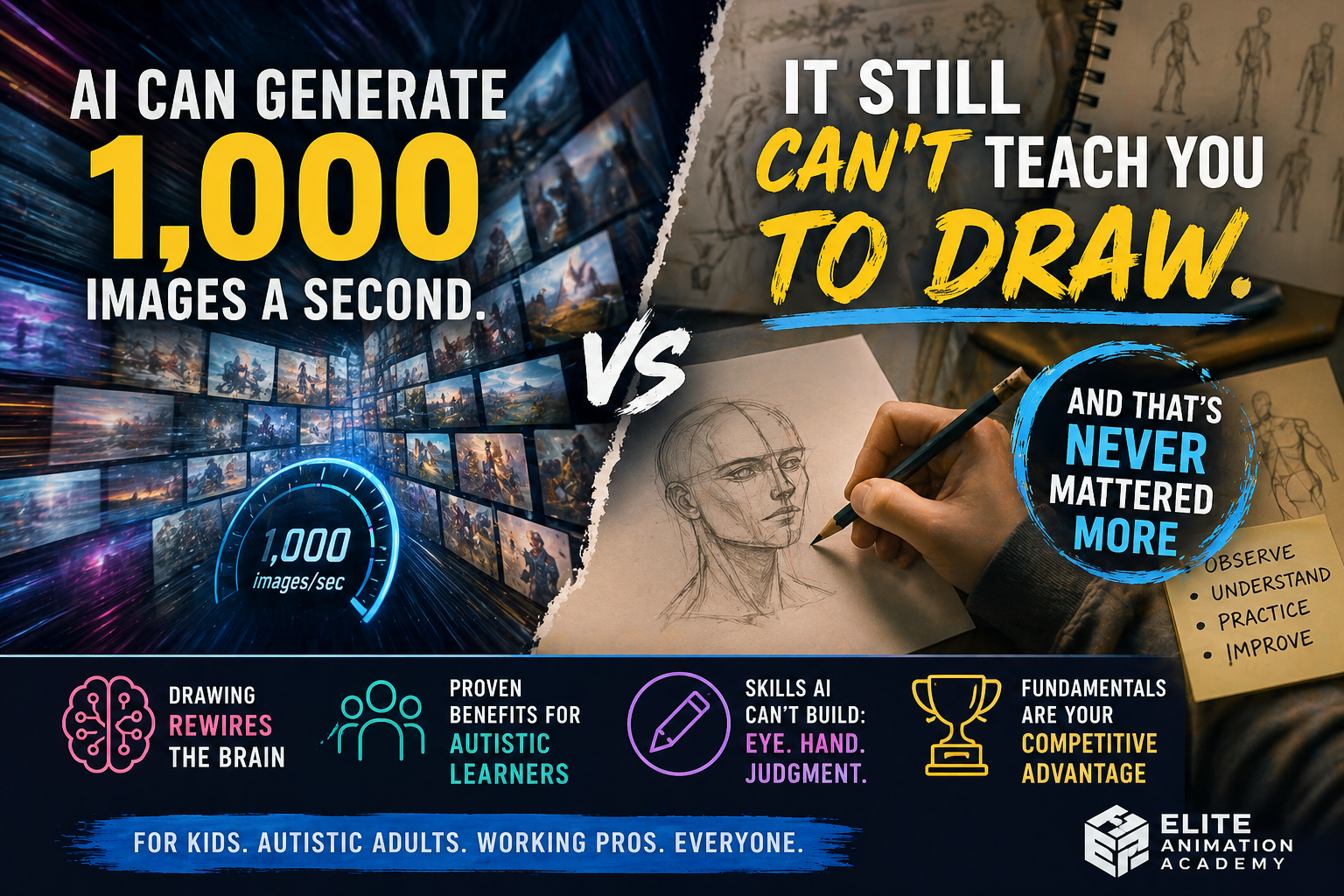
Generative AI now makes images in seconds. It does not develop your eye, your hand, or your judgment. Peer-reviewed research confirms drawing rewires the brain in ways AI tools can't simulate — with measurable benefits for autistic learners specifically.[1][2] For parents looking for kids' art programs, autistic adults entering the workforce, and working pros (tattoo artists, animators, designers), drawing fundamentals are no longer "old school." They're the moat.
The new reality every artist faces in 2026
Open Photoshop today. There's a generative fill button. Open your phone's photo app — there's an AI editor. Open a browser — there are thousands of AI image generators waiting for a prompt.[3] The cost-to-make floor for a usable image has crashed from "years of training" to "thirty seconds and a sentence."
This is genuinely good news for a lot of work. Mood boards, references, rapid iteration, asset variation — AI does these brilliantly and fast. Working artists who use AI well are now producing more, exploring more, and iterating more than they ever could before.
So what's still worth learning? If a machine can output a finished-looking image in seconds, why spend years studying anatomy, perspective, gesture, value, and composition?
Because output is not the same as skill. And as the world fills up with frictionless image generation, the people who can actually think through a visual problem — sketch through it, push past the first idea, judge what's working and what isn't — are getting more valuable, not less.
That's true whether you're a parent watching your eight-year-old fall in love with drawing, an autistic adult looking for a real career path, a tattoo artist building a portfolio, or a working professional in any visual industry. The fundamentals don't go away. They become the moat.
What AI is great at — and what it isn't
Let's be honest about both sides.
As a tool, it's powerful
- Speed & iteration — 50 versions in a minute
- Reference exploration — instant variations of a pose, mood, or style
- Asset library expansion — backgrounds, props, alts
- Style transfer — apply one look to existing work
- Brainstorming — break creative blocks, find unexpected angles
- Production tasks — clean-up, upscaling, simple comp
It cannot develop YOU
- Your eye — what's working, what isn't, why
- Your hand — the muscle memory of a confident line
- Your judgment — knowing what to push, what to cut
- Your weaknesses — the specific things only YOU need to practice
- Your standard — pushing past the first version
- Your finish — completing a piece you started
The right framing: AI is a brush. It is not a teacher. Procreate, the standard digital-illustration app on iPad, has publicly committed to keeping all generative-AI features out of the creative process — they make tools for human artists, not replacements.[4] Cara, the artist platform that grew rapidly through 2025, prohibits AI-generated work entirely; uploads have to reflect real, manually created art. The market is splitting — and one half of it is paying premiums for unmistakably human work.
Which is exactly why the artists positioned to win are the ones who can direct AI tools without being directed by them. That requires fundamentals. Real ones.
Drawing measurably rewires the brain — here's the research
This is the part most "AI vs artists" articles skip. It's the most important.
Drawing isn't simply a "creative activity." A 2024 special issue of Memory & Cognition — peer-reviewed psychology research — synthesized 25 cutting-edge studies and reached a clear conclusion: drawing engages perception, memory, motor learning, and metacognition simultaneously, and produces measurable cognitive gains across diverse populations.[1]
The research found that drawing improves both verbal recall (word lists) and visual recall (pictures) beyond what mere viewing produces. When researchers decomposed drawing into subtasks — tracing, viewing, imagining, drawing without seeing the output — performance dropped any time the visual, motor, or generative components were missing. It's the combination that works. Watching alone doesn't do it. Imagining alone doesn't do it. Generating an AI image absolutely doesn't do it.
For families with autistic children or autistic adult learners, this matters enormously. A separate 2025 mixed-methods study published in Frontiers in Psychology tracked autistic students through a structured drawing-therapy program and reported significant improvements in self-concept, social functioning, and quality of life across multiple validated measures.[5] A 2024 systematic review of 50 studies on drawing tasks in autism research confirmed drawing as one of the most useful tools researchers have for both studying and supporting cognitive function in autistic individuals.[6]
The takeaway is direct: drawing is not a hobby — it's a developmental practice with measurable brain effects. AI image generation, by contrast, has no documented cognitive or developmental benefit. None. They are not equivalent. They are not even comparable.
AI Tells Decoder — what trained eyes catch instantly
Anyone can be fooled by an AI image at thumbnail size. Trained artists almost never are at full size. Here are the six most reliable tells. Click any to learn what to look for — and why AI gets it consistently wrong.
Interactive · Click to Learn
Six AI Tells Every Trained Eye Catches
These come from real diffusion-model failure modes — the kind only fundamentals reveal.
Hands & Fingers
The classic AI tell. Look for extra fingers, fused digits, joints bending the wrong way, or hands "clipping" through other objects. AI models train on millions of hand images but never on the underlying anatomy — so they can copy surface texture but can't reason about structure. A trained artist learns hand construction from skeletal landmarks first; the AI never does.
Tool, or crutch? The line that matters
Here's the question that separates artists who keep growing from artists who quietly plateau:
When AI is unavailable, can I still produce work I'm proud of?
If yes, AI is your tool. If no, AI has become your crutch. The line is real, and it matters more every month.
Cognitive-skill research is consistent on this point: motor and visual learning combined produce gains that visual-only learning does not.[7] Translation: scrolling AI references can inspire you, but it does not develop your hand. Drawing through the references does. Generating fifty Midjourney variations of a pose teaches you nothing your hand can repeat tomorrow.
Five honest signals you've drifted toward crutch
- You can't finish a drawing without AI. If your workflow stalls the moment you can't generate, the AI isn't enhancing your skill — it's substituting for it.
- You haven't drawn from observation in 30+ days. Life drawing, gesture studies, drawing from reference photos by hand — these build the eye. AI doesn't.
- You generate, then trace. Tracing AI output isn't reference. It's outsourcing the constructive thinking that builds your skill.
- You've stopped being able to articulate why a pose works. Trained artists can name the mistake in 5 seconds. If you can't, the eye is atrophying.
- You feel anxious if you have to draw without tools. This is the loudest signal. Skill should feel like ground under your feet — not a performance you can only deliver in the right environment.
None of this means stop using AI. It means use it the way pros use it — for ideation, references, post-production, brainstorming, and exploration — not as a substitute for the daily practice that builds you.
AI Reliance Audit — 5 honest questions
Five quick questions. Answer honestly — there's no leaderboard, just useful feedback. Each question's "best answer" is explained after you choose, so you'll learn the principle whether you got it right or not.
Tool, or crutch?
No judgment — this is a diagnostic, not a verdict.
1. When you get stuck on a drawing, what's your first move?
2. Could you draw your favorite character from memory in 60 seconds — no reference, no AI?
3. When you generate an AI image you like, do you study why it works?
4. How often do you draw from observation (life, photo references, anatomy studies) by hand?
5. When was the last time you finished a drawing — start to "done" — by hand?
The fundamentals every visual professional now needs
Different visual industries look different on the surface. Underneath, they share the same drawing substrate.
For tattoo artists
Tattoo industry coverage is consistent: strong drawing skills are the foundation of professional tattooing.[8] Clean linework, controlled shading, anatomy understanding, and the ability to design tattoos that flow with the body's curves and age well over decades — all start on paper. AI can generate flash designs, but the artist has to translate them onto skin in real time, adjust for client anatomy, and execute with permanent ink. There's no undo button.
For animators
Gesture, timing, weight, and the 12 principles of animation. We covered this in our Disney layoffs analysis — Marvel's Visual Development team was laid off precisely because AI handles the mechanical layer. The creative judgment layer remains entirely human, and is paid accordingly.
For illustrators & concept artists
Composition, value, narrative sequence, and the ability to push past the first idea. AI generates lots of "first ideas." Editors, art directors, and audiences pay for the third, fourth, and fifteenth — the ones AI never reaches.
For graphic designers
Typography, hierarchy, ideation under client constraint. A designer who can sketch concepts in front of a client, on demand, is wildly more valuable than one who has to retreat to their workstation to "generate options."
AI shortcuts the output. It does not shortcut the judgment that decides whether output is good.
Across every visual industry, the same pattern holds: the floor on output rose (anyone can make something passable), and the ceiling on judgment also rose (the artists who can direct, finish, and commit are commanding more, not less). The gap between those two is widening. Drawing fundamentals are how you climb it.
Fundamentals Inventory — score yourself
Twelve drawing skills every trained artist has. Check the ones you're confident in. Your score will recommend a starting point — whether that's foundation building, sharpening an edge, or stepping into a specific track.
The 12-Skill Drawing Inventory
Be honest. The result tells you exactly where to start.
Each item is a fundamental that AI image tools cannot teach you. Your honest count tells you where to start.
A Disney animator teaches what AI can't
Woody Woodman — animator on Mulan, Tarzan, and Brother Bear — walks through how he stages a character. Pause anywhere and notice: every observation he makes is the kind no AI prompt produces. This is what one-on-one critique looks like.
Who this is for — three real paths forward
The case for fundamentals isn't theoretical. It maps directly to three audiences we serve every day at the Orlando studio.
Your kid doesn't need to be "talented" to start — they need structured fundamentals from instructors who've shipped real work. EAA's lead instructors animated on Mulan, Tarzan, and Brother Bear. Year-round courses run in-studio in Orlando and live online from anywhere. Summer 2026 camps run June 1 – August 7, ten weeks, four subjects per week. Step Up for Students provider — Florida families using FES-UA or New Worlds funds can cover full cost. Full course roadmap →
Roughly 90% of autistic adults are unemployed or underemployed, and around 500,000 autistic adults are entering the U.S. workforce this decade.[9] Our 501(c)(3) sister program, Digital Arts for Autism (DAFA), runs out of the same Orlando building. It's a 1-year vocational certificate program — Adobe Illustrator, Photoshop, InDesign, Animate — designed specifically for autistic adults who can function independently in a classroom or virtual setting. Graduates earn an industry-recognized Certificate of Completion. The next session starts September 14, 2026, and Step Up for Students scholarships are accepted.
Tattoo artists rebuilding linework and shading. Animators in adjacent fields adding new tracks. Illustrators sharpening composition. Designers wanting to integrate hand skills back into a stack that drifted entirely digital. EAA's adult tracks are flexible — you can take individual courses, build a custom curriculum, or pursue full progression. Online and in-studio both available.

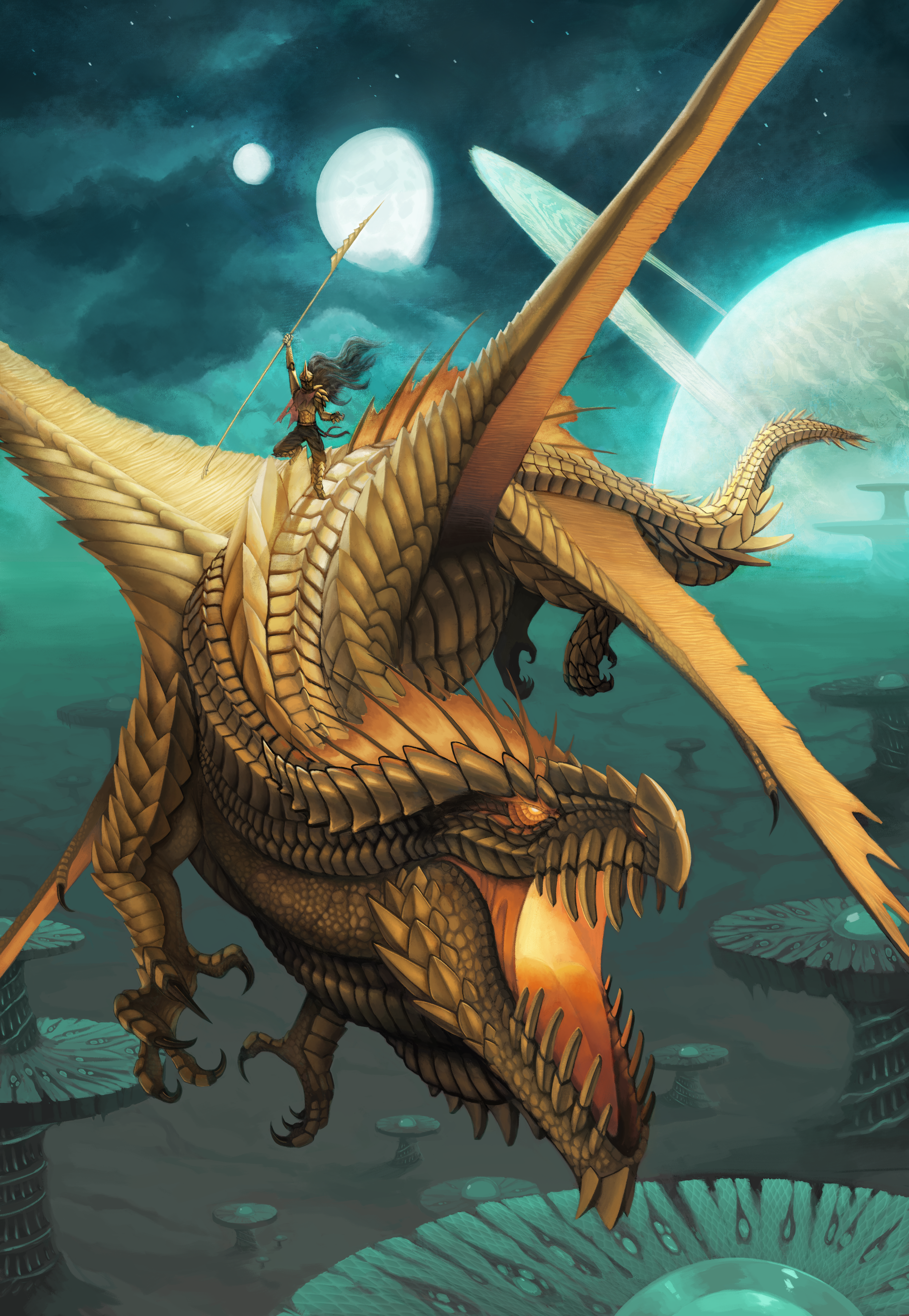
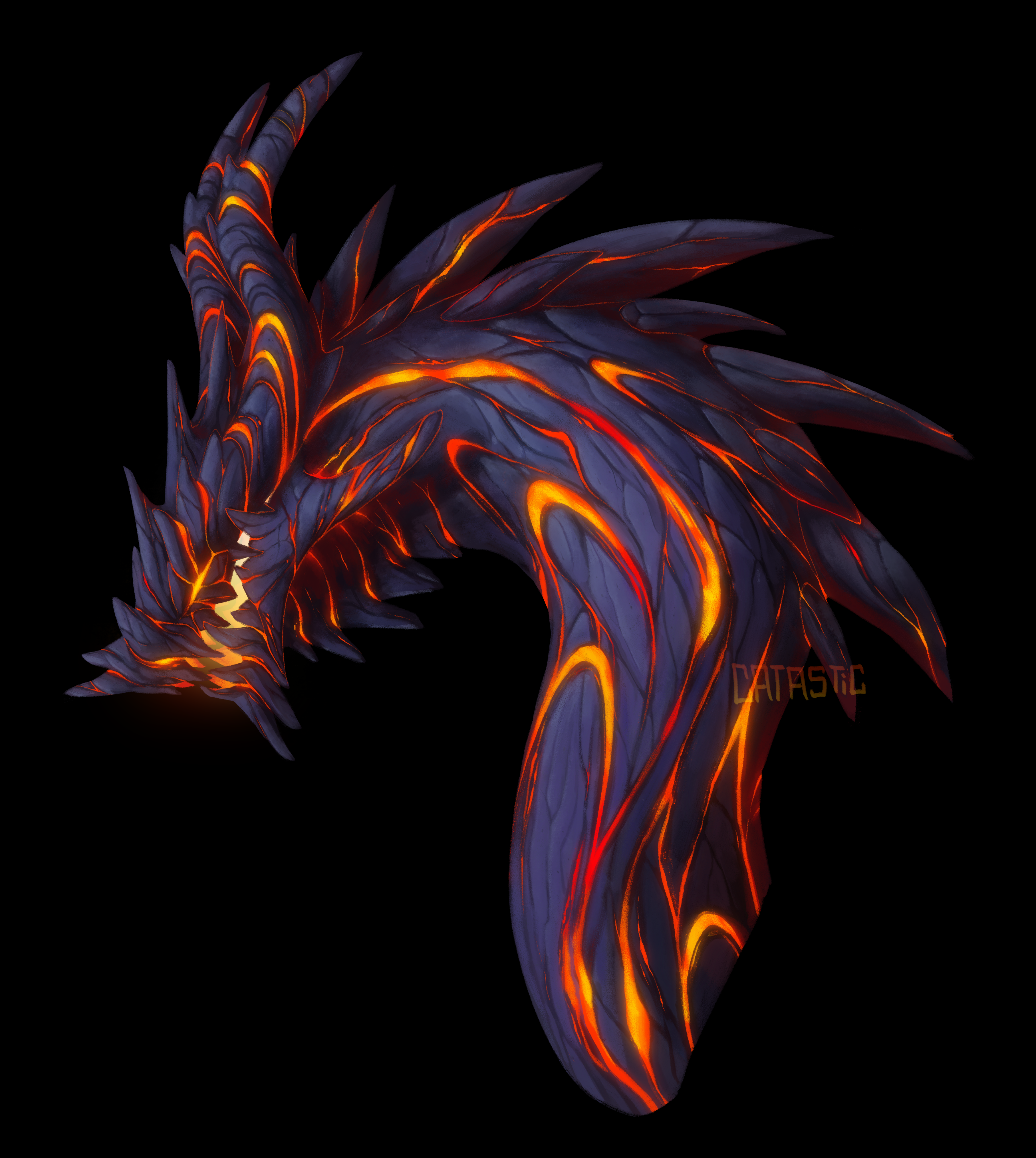

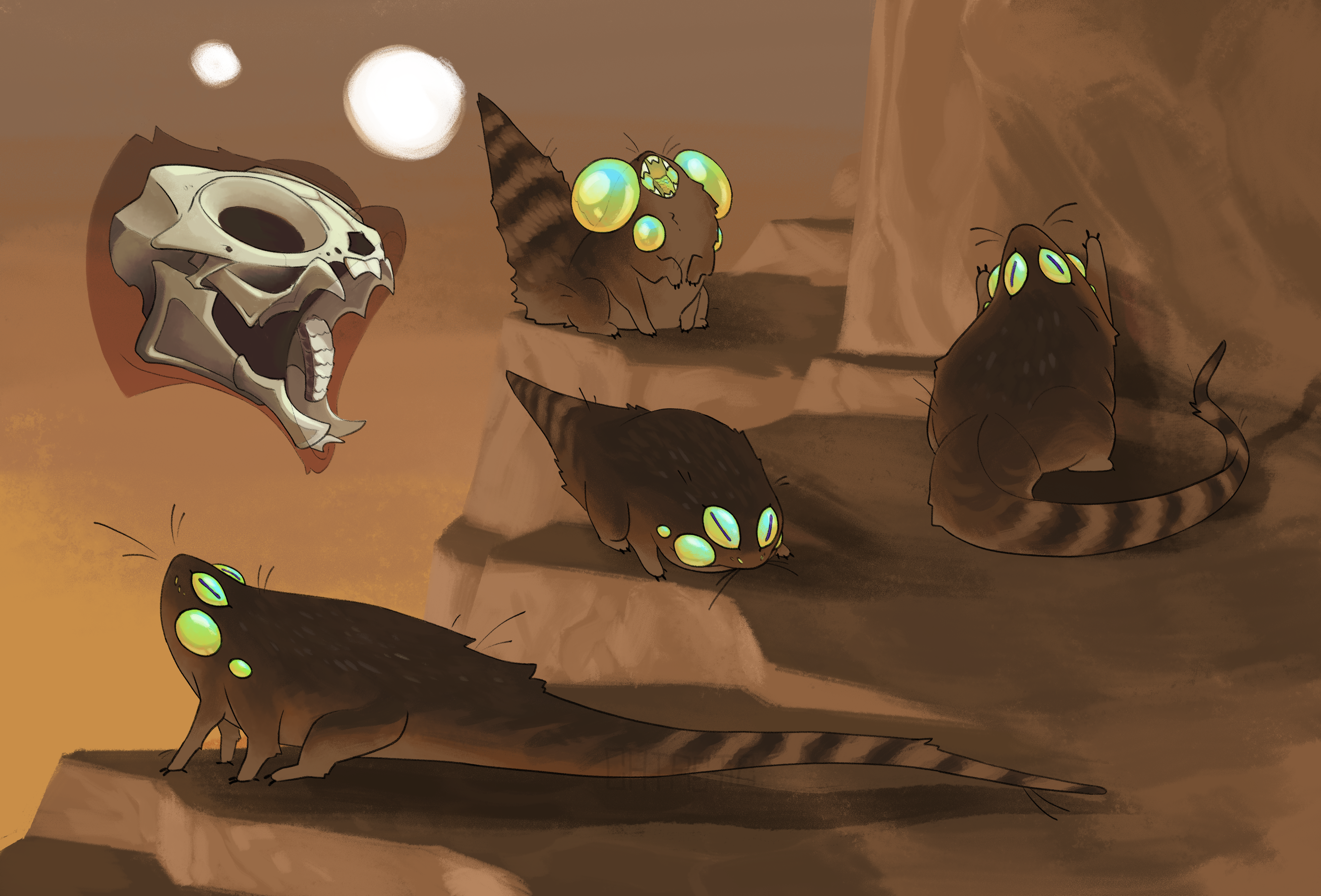
Whichever path is yours — start with fundamentals.
EAA serves kids, teens, and working adults. DAFA serves autistic adults 18+. Same building, same phone number, same commitment to real human teaching.
Frequently asked questions
I already use AI for my work. Should I stop?
No — use AI well. Healthy AI use means treating it as a tool for ideation, references, mood exploration, post-production, and brainstorming. Unhealthy use means letting it substitute for the daily drawing practice that builds your eye, your hand, and your judgment. Take the audit above to gauge which side of that line you're on. Most working artists land somewhere in the middle and benefit from rebalancing toward fundamentals.
My kid only uses AI tools — they barely draw anymore. What should I do?
Don't take AI away — add structured drawing back in. Kids who use AI tools and also build solid fundamentals consistently outperform kids who do only one or the other. The fastest fix is putting them in front of an instructor who can give specific, immediate feedback on their drawing — something neither tutorials nor AI tools provide. Summer camps and weekly classes work especially well for this age group.
Does drawing really help kids and adults with autism?
Yes — and the research is recent and direct. A 2025 fNIRS study at Beijing Normal University measured significant improvements in drawing ability, emotional expression, cognitive skills, and prefrontal connectivity in school-age autistic children after a 9-week drawing intervention. A separate 2025 mixed-methods study reported significant improvements in self-concept, social functioning, and quality of life in autistic students through structured drawing therapy. Both are cited in the Sources section. For adults, our DAFA program is built on these findings — vocational creative training that works with the cognitive profile rather than against it.
I'm a tattoo artist. Do I really need formal drawing classes?
If your linework, shading, or anatomy is holding back your portfolio, yes. Industry guidance from tattoo apprenticeship programs and academies is consistent: drawing is the foundation of tattooing, and gaps in fundamentals show up in every piece you put on skin. EAA's adult courses cover linework precision, shading techniques, anatomy, and design that works with body flow — exactly what tattoo work requires. Take individual courses or build a custom track based on what you need to shore up.
How is DAFA different from regular EAA classes?
DAFA (Digital Arts for Autism) is a 501(c)(3) non-profit serving autistic adults 18 and over with a structured 1-year vocational certificate program. It's the same building as EAA, the same instructors, but a different curriculum: four sequential Adobe Creative Cloud courses (Illustrator → Photoshop → InDesign → Animate) culminating in an industry-recognized Certificate of Completion. EAA serves all ages 8+ across animation, drawing, character design, 3D, and game art. Many families use both — a kid in EAA general classes, an older sibling or adult relative in DAFA. DAFA homepage →
Sources & further reading
- Drawing as a versatile cognitive tool. Memory & Cognition, special issue review of 25 studies on drawing and cognition (2024). NIH PubMed Central: PMC11377027 · Springer Nature.
- Prefrontal blood flow activity during drawing intervention in school-age autistic children. fNIRS hyperscanning study, 2025. NIH PubMed Central: PMC12109799. Drawing intervention significantly enhanced drawing ability, emotional expression, and cognitive skills, with measurable changes in prefrontal connectivity to visual, motor, and language regions.
- The 2026 AI image-generation landscape. Industry analysis covering current models, hybrid creative workflows, and 36.1% CAGR market growth. Sources include Creative Bloq and AI-tool review coverage from early 2026.
- Procreate's anti-generative-AI position; Cara platform. Industry coverage of artist-tool companies maintaining no-AI policies, January 2026. Creative Bloq: 5 AI-free apps every artist needs to try in 2026.
- Drawing therapy based on embodied cognition theory in autistic students. Mixed-methods study, Frontiers in Psychology (2025). NIH PubMed Central: PMC12588921. Significant improvements in self-concept, social functioning, and quality of life via structured drawing therapy.
- The application of drawing tasks in studying cognitive functions in autism. Systematic review of 50 studies, 2024. NIH PubMed Central: PMC11660400.
- Common mechanisms of human perceptual and motor learning. Foundational neuroscience: motor + visual training combined produces gains visual-only training does not. NIH PubMed Central: PMC4880370.
- Drawing as the foundation of professional tattooing. Industry coverage including Alchemy Tattoo Apprenticeship, Florida Tattoo Academy, Tattooing 101, and 10 Masters.
- Autism employment statistics. Approximately 500,000 autistic adults entering the U.S. workforce this decade; ~90% are unemployed or underemployed; 1 in 36 children diagnosed. Source: Digital Arts for Autism program data, citing CDC and U.S. Bureau of Labor Statistics figures.
All external citations open in a new tab. Research links lead to peer-reviewed publications via NIH's PubMed Central archive.


